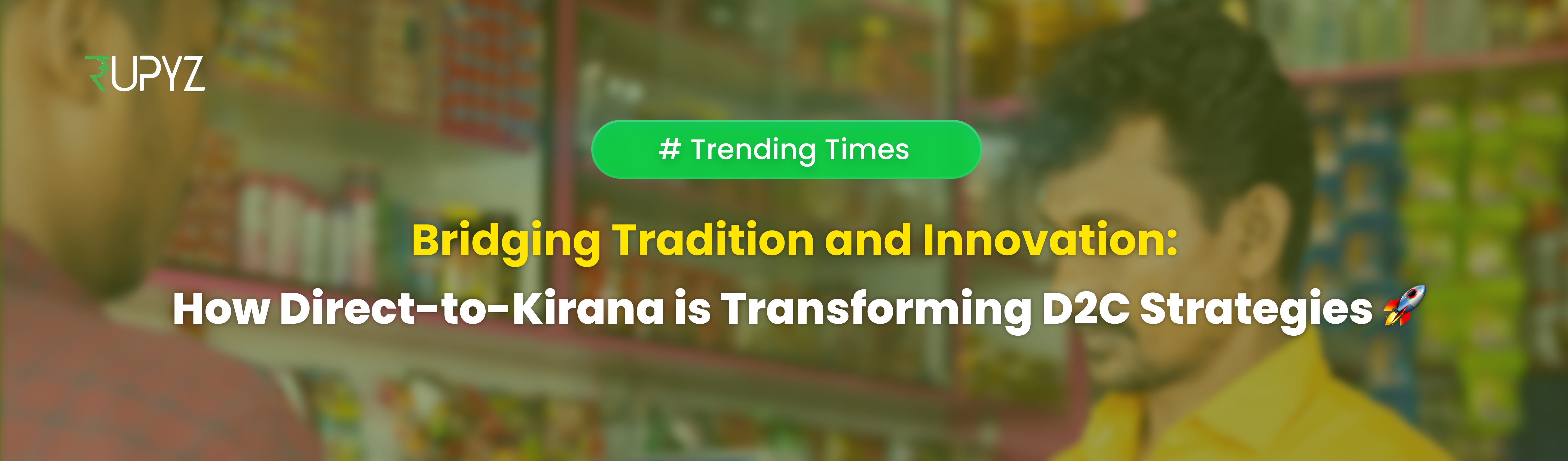
The Direct-to-Kirana (D2K) model is rapidly gaining traction within the broader Direct-to-Consumer (D2C) landscape, reshaping the way brands interact with India’s vast network of kirana stores. As traditional retail faces mounting pressure from quick-commerce platforms, brands are pivoting towards D2K strategies to ensure they maintain a competitive edge while directly engaging with these essential local retailers.
Leading companies like Hindustan Unilever (HUL) have launched initiatives such as the ‘Samadhan’ model, which allows them to supply products directly to kirana stores. This approach not only reduces delivery times but also helps ease credit constraints for these small businesses, ensuring they remain stocked with popular FMCG goods like Surf Excel and Clinic Plus[2][5]. HUL’s strategy is a direct response to the rise of B2B e-commerce platforms like JioMart and Udaan, which have successfully captured significant market share by offering next-day delivery and competitive pricing[4][5].

Similarly, Mahindra Logistics has implemented a technology-enabled D2K solution that expanded market reach for an FMCG leader by 30%, unlocking access to deep rural areas where traditional distribution methods often falter[1]. By deploying containerized vehicles and employing a van-based sales model, they enhance visibility and efficiency in reaching kirana stores in underserved regions[1].
This shift towards D2K not only empowers brands to establish stronger relationships with kirana owners but also allows them to gather valuable data on consumer preferences and purchasing behaviors. As D2C brands continue to flourish, their ability to integrate with local retail ecosystems through direct engagement will be crucial for long-term success.
In conclusion, the Direct-to-Kirana model exemplifies how D2C strategies can evolve to meet the unique challenges of the Indian retail landscape. By fostering direct relationships with kirana stores, brands can enhance their distribution efficiency, improve customer loyalty, and ultimately drive sales growth in an increasingly competitive environment[3][4].
Transform your B2B Business
We would love to give a comprehensive walk through of our system & demonstrate how we can contribute to your growth story.
Book A Demo
Start free trial